
 By Lawrence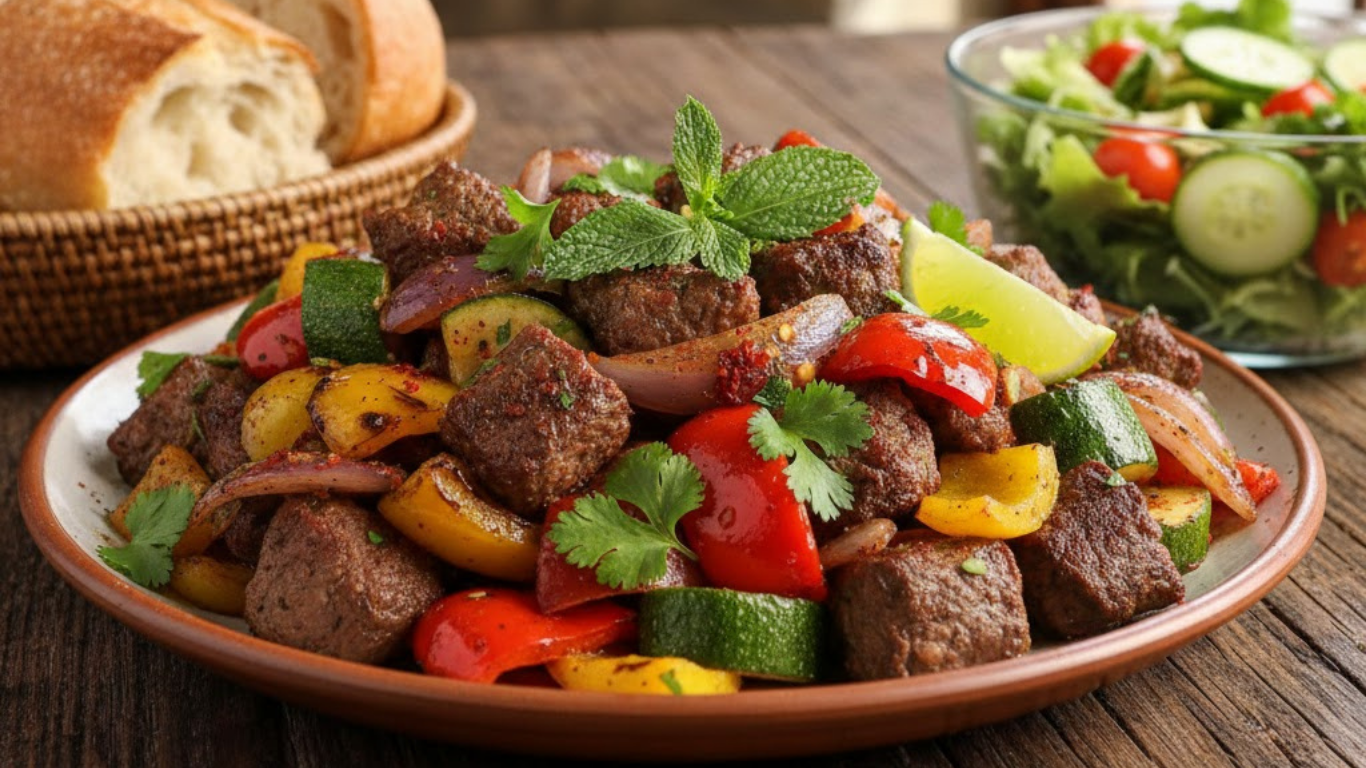
Turkish cuisine is renowned worldwide for its rich flavors, diverse ingredients, and centuries-old culinary traditions. Among its many treasured dishes, Cevurı stands out as a vibrant example of Turkey’s love for flavorful, wholesome meals. This dish, featuring tender meat, fresh vegetables, and aromatic spices, offers a perfect balance of taste, nutrition, and cultural significance. In this article, we will explore the origins of Cevurı, its key ingredients, preparation techniques, regional variations, health benefits, and why it continues to captivate food enthusiasts globally.
Origins and Cultural Significance
Cevurı traces its roots to traditional Turkish home cooking, where meals are often prepared with care, family participation, and a focus on natural, locally sourced ingredients. Like many Turkish dishes, it reflects the country’s geographic diversity and the influences of Middle Eastern, Mediterranean, and Central Asian cuisines. Historically, Cevurı was a staple during communal gatherings and festive occasions, served alongside fresh bread, rice, or bulgur to complement its rich flavors.
The dish embodies the Turkish philosophy of cooking: simplicity, respect for ingredients, and attention to balance. Meat, whether lamb, beef, or chicken, is paired with seasonal vegetables, creating a harmony of textures and flavors that is both hearty and satisfying. Its aromatic spices, often passed down through generations, connect the dish to a broader cultural heritage, making every bite a taste of Turkey’s culinary history.
Key Ingredients
At the heart of Cevurı are fresh, high-quality ingredients. The dish typically includes:
-
Meat: Lamb and beef are the most common choices, prized for their tender texture and rich flavor. Chicken is sometimes used for a lighter variation.
-
Vegetables: Bell peppers, tomatoes, onions, carrots, and eggplant are frequently included. Seasonal vegetables can vary the dish’s flavor and nutritional profile.
-
Spices: Turkish cuisine relies on spices like paprika, cumin, black pepper, and sumac. Fresh herbs such as parsley, dill, and mint enhance the dish’s aroma and taste.
-
Olive Oil or Butter: These fats are essential for sautéing and roasting, adding richness without overpowering the natural flavors of the ingredients.
This combination ensures that Cevurı is not only delicious but also nutritionally balanced, providing protein, fiber, vitamins, and essential minerals in every serving.
Preparation and Cooking Techniques
Cevurı’s preparation can vary depending on family traditions and regional preferences, but certain core steps define its authenticity:
-
Marinating the Meat: Marination often involves olive oil, garlic, lemon juice, and a mixture of spices. This step tenderizes the meat and infuses it with flavor.
-
Chopping and Preparing Vegetables: Vegetables are usually cut into uniform pieces to ensure even cooking. Some recipes call for roasting or sautéing them separately to deepen their flavor.
-
Cooking: Traditionally, the dish is cooked in a large pan or casserole. Meat is browned first to seal in juices, followed by the addition of vegetables and spices. Slow cooking allows the flavors to meld together.
-
Serving: Cevurı is typically served hot, accompanied by rice, bulgur, or fresh bread. A side of yogurt or a fresh salad often complements the dish, balancing the richness of the meat and spices.
The slow-cooking method, combined with fresh ingredients and carefully chosen spices, results in a dish that is both aromatic and visually appealing.
Regional Variations
One of the most fascinating aspects of Cevurı is how it adapts to different regions in Turkey. Each area brings its own flair:
-
Eastern Turkey: Lamb is favored, often paired with eggplants and a heavier use of paprika and red pepper flakes for warmth and depth.
-
Western Turkey: Here, chicken or beef is common, with lighter seasoning and a focus on fresh herbs and olive oil.
-
Central Anatolia: This version emphasizes root vegetables like carrots and potatoes, creating a hearty, rustic dish ideal for colder months.
These regional twists illustrate how Turkish cuisine is not monolithic but a tapestry of local ingredients, climates, and culinary traditions. Cevurı, in particular, demonstrates how one recipe can evolve while maintaining its essence.
Health Benefits of Cevurı
Cevurı is more than a flavorful meal—it is also nutritious and balanced. Some health benefits include:
-
High Protein Content: The meat provides essential amino acids necessary for muscle repair, immune function, and overall health.
-
Rich in Vitamins and Minerals: Vegetables supply vitamins A, C, K, and B-complex, along with minerals like potassium, magnesium, and iron.
-
Healthy Fats: Olive oil contributes monounsaturated fats, which support heart health and reduce inflammation.
-
Antioxidants and Fiber: Spices and vegetables provide antioxidants that protect against cellular damage and fiber that aids digestion.
Moderation is key, as with any dish, but Cevurı is naturally balanced and can be a wholesome main course for a family meal.
Culinary Tips and Serving Suggestions
To enhance your Cevurı experience:
-
Use fresh, seasonal ingredients: This ensures maximum flavor and nutritional value.
-
Don’t rush the cooking process: Slow cooking allows flavors to blend and meat to tenderize fully.
-
Experiment with spices: While traditional recipes are excellent, adjusting spice levels can suit your taste preferences.
-
Pair with complementary sides: Rice pilaf, couscous, fresh salads, or yogurt-based dips accentuate the dish’s flavors and provide a well-rounded meal.
Cevurı is versatile, making it suitable for weeknight dinners or celebratory feasts. It also reheats well, allowing leftovers to taste even better the next day as flavors continue to meld.
Cevurı in Modern Turkish Cuisine
In contemporary Turkey, Cevurı has moved from traditional home kitchens to restaurants and food festivals, celebrated as a cultural and culinary symbol. Chefs experiment with gourmet versions, adding exotic spices, unique garnishes, or fusion techniques while respecting the dish’s origins. Its popularity extends beyond Turkey’s borders, with food enthusiasts worldwide discovering its appeal through cooking blogs, social media, and Turkish restaurants abroad.
The dish also resonates with the global emphasis on wholesome, balanced meals. In an era where convenience foods dominate, Cevurı represents mindful cooking, fresh ingredients, and family-centered dining. It reminds us that food is not just sustenance but an experience, a celebration, and a connection to cultural roots.
Conclusion
Cevurı is more than just a Turkish dish—it is a culinary experience that combines flavor, nutrition, and cultural heritage. Its tender meat, vibrant vegetables, and aromatic spices create a harmonious and satisfying meal, while regional variations and traditional cooking methods highlight the diversity of Turkish cuisine. Beyond taste, Cevurı provides numerous health benefits, making it both a delicious and wholesome choice for families and food enthusiasts.
Whether enjoyed at a family gathering, a festive occasion, or in a modern restaurant, Cevurı continues to captivate hearts and taste buds. Its enduring popularity reflects not only the quality of its ingredients and preparation but also the deeper cultural values of hospitality, tradition, and culinary artistry. For anyone exploring Turkish cuisine, Cevurı is a dish that offers a true taste of the country’s rich culinary tapestry—inviting, flavorful, and timeless.