
 By Lawrence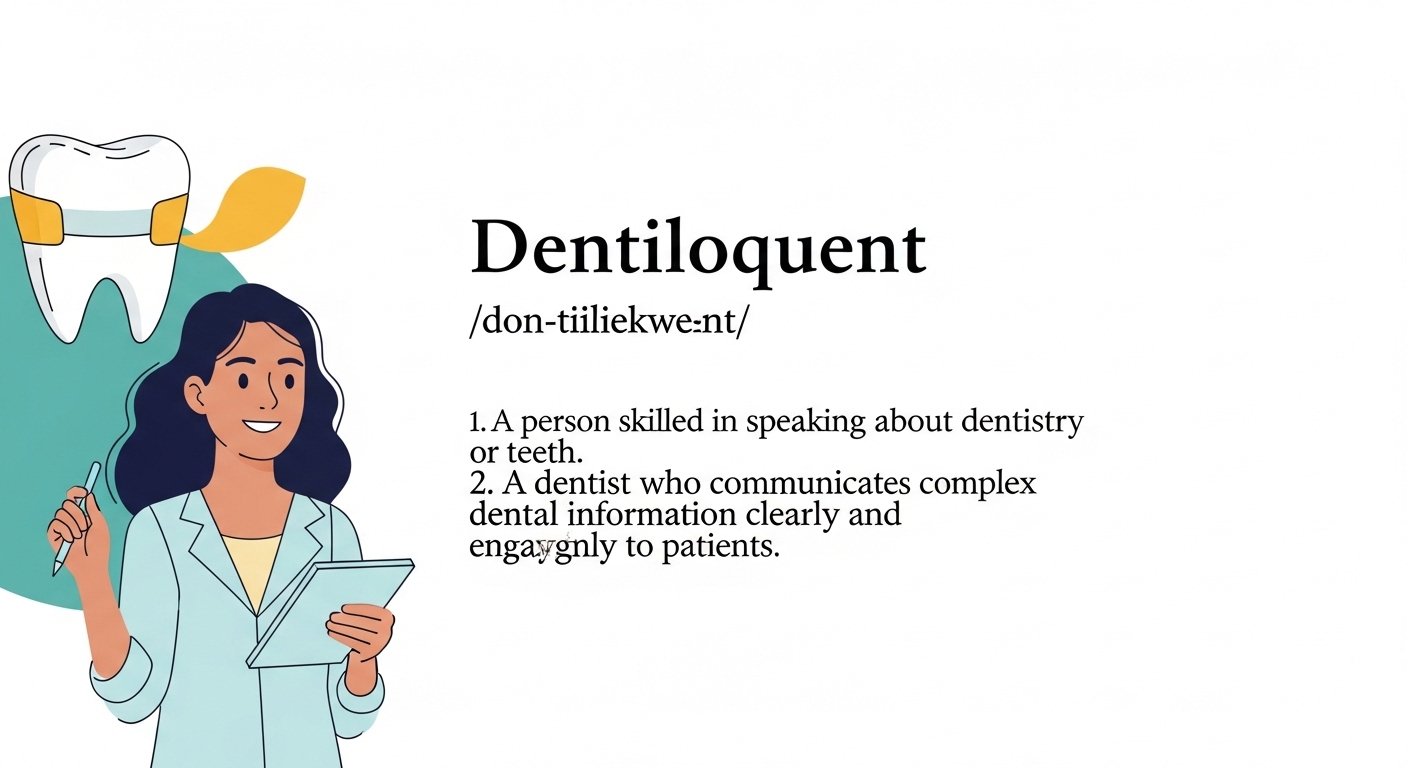
Language is constantly evolving, and part of its beauty lies in the discovery of rare, unusual, or specialized words that enrich communication. One such intriguing term is “dentiloquent.” Although not widely used in everyday conversation, it carries linguistic curiosity and intellectual appeal. Words like this often spark interest among writers, linguists, and language enthusiasts who enjoy exploring the deeper layers of vocabulary.
In this comprehensive guide, we will explore the definition of dentiloquent, its possible origins, how it is used in different contexts, and why understanding rare words can enhance both communication and creative expression. Whether you encountered this word while reading, researching vocabulary, or exploring unique linguistic terms, this article will provide a clear and detailed explanation.
What Does Dentiloquent Mean?
The term “dentiloquent” appears to combine linguistic elements that suggest speech or expression connected to “teeth” or articulation. While it may not be commonly included in mainstream dictionaries, it can be interpreted through its root components.
-
“Denti” typically relates to teeth or dental aspects.
-
“Loquent” derives from Latin roots associated with speaking or expressing through language.
Based on these components, dentiloquent may be interpreted as relating to speech characterized by dental articulation, pronunciation influenced by teeth positioning, or expressive speech involving precise enunciation.
In broader linguistic discussions, dentiloquent could be used metaphorically to describe speech patterns, articulation styles, or vocal expressions emphasizing clarity or distinctive pronunciation.
Linguistic Roots and Origins
Understanding the origins of a word often reveals how language develops over time. Although dentiloquent is not widely recognized as a traditional dictionary entry, its structure reflects classical linguistic influences.
Latin Influence
Many English words derive from Latin roots. The suffix “-loquent” comes from the Latin verb loqui, meaning “to speak.” This root appears in several English words such as:
-
Eloquent
-
Loquacious
-
Grandiloquent
These words describe different styles of speech, ranging from persuasive communication to excessively elaborate language.
The prefix “denti-” relates to teeth, commonly used in medical or anatomical terminology, such as dental or dentition. Combining these elements creates a word that linguistically suggests speech associated with dental articulation.
Formation of New Words
Languages constantly create new terms through blending or combining existing roots. Dentiloquent may be an example of a neologism — a newly formed word that emerges through creative linguistic experimentation.
The Role of Articulation in Speech
To fully understand dentiloquent, it is helpful to explore how speech production works.
Dental Sounds in Language
In phonetics, certain sounds are classified as dental because they involve the tongue touching or approaching the teeth. Examples include:
-
“th” sounds in English
-
Some “t” and “d” pronunciations in various languages
A dentiloquent style of speech could theoretically emphasize these dental sounds, highlighting precise articulation.
Importance of Pronunciation
Clear pronunciation plays a major role in communication. Speakers who focus on articulation may appear more confident, professional, or expressive. If interpreted this way, dentiloquent could describe someone who speaks with strong emphasis on dental articulation.
Dentiloquent as a Descriptive Term
Even if rarely used formally, dentiloquent can function as a descriptive or creative adjective.
In Linguistics
Researchers and language enthusiasts sometimes invent or adapt terms to describe specific speech characteristics. Dentiloquent might be used to discuss:
-
Speech patterns influenced by dental structure
-
Pronunciation styles involving clear enunciation
-
Phonetic analysis of dental sounds
In Creative Writing
Writers often use unusual words to create unique imagery or tone. Describing a character as dentiloquent could imply:
-
Precise or sharply articulated speech
-
A distinctive way of speaking
-
Attention to pronunciation detail
Why Rare Words Like Dentiloquent Matter
You might wonder why exploring uncommon words is important. The answer lies in the power of vocabulary.
Expanding Expression
A larger vocabulary allows for more precise communication. Rare words provide nuanced ways to express ideas that common words may not fully capture.
Intellectual Curiosity
Learning new terms encourages curiosity and exploration. Words like dentiloquent challenge us to think about language structure and meaning.
Creativity and Innovation
Creative language use can inspire new forms of storytelling, poetry, or artistic expression. Unique vocabulary adds flavor and originality to writing.
Examples of Usage
Although dentiloquent is not widely standardized, it can be used creatively in sentences:
-
“The actor’s dentiloquent delivery made every syllable sound crisp and deliberate.”
-
“Her dentiloquent speech pattern reflected years of vocal training.”
-
“The linguist described the dialect as highly dentiloquent, emphasizing dental consonants.”
These examples illustrate how context helps define meaning even when a word is uncommon.
Dentiloquent Compared to Similar Words
Understanding related words can clarify the concept further.
Eloquent
Eloquent describes fluent, persuasive, or expressive speech. Dentiloquent could be considered a more specific or specialized description focusing on articulation rather than overall expression.
Loquacious
Loquacious refers to someone who talks a lot. In contrast, it emphasizes how speech sounds rather than how much someone speaks.
Grandiloquent
Grandiloquent refers to overly elaborate or pompous language. Dentiloquent, by comparison, may imply precision rather than exaggeration.
Potential Applications
While niche, dentiloquent may have interesting applications.
Speech Therapy
Professionals analyzing speech patterns might use similar descriptive terms to explain articulation styles or dental influences on pronunciation.
Acting and Performance
Actors and voice artists often train to control articulation. Describing a performance as dentiloquent might highlight clear and precise diction.
Linguistic Studies
Researchers studying phonetics or dialects could use creative terminology to describe specific speech characteristics.
The Evolution of Language and New Terms
Language never stands still. New words appear constantly, shaped by culture, technology, and creativity.
Internet and Language Growth
Online communities accelerate word creation and adoption. Unique words can gain recognition quickly if they resonate with users.
Flexibility of Meaning
Many words begin with vague or experimental meanings before becoming standardized through repeated usage.
Dentiloquent may follow a similar path if it becomes more widely adopted.
How to Incorporate Rare Vocabulary into Writing
Using uncommon words effectively requires balance.
Provide Context
Because readers may not recognize dentiloquent, include clues about its meaning within sentences.
Avoid Overuse
Using too many rare words can make writing difficult to understand. Strategic placement creates impact.
Maintain Clarity
The goal of language is communication. Ensure that creative vocabulary enhances rather than confuses meaning.
Common Misunderstandings
When encountering unfamiliar words, readers may assume incorrect meanings.
-
Some may interpret dentiloquent as medical terminology due to the “denti” prefix.
-
Others may confuse it with established “-loquent” words like eloquent or grandiloquent.
Clear explanation helps prevent confusion.
The Future of Words Like Dentiloquent
Will dentiloquent become widely recognized? That depends on usage and adoption. Many words begin as niche or creative expressions before gaining broader acceptance.
Factors influencing future popularity include:
-
Use by writers and content creators
-
Appearance in academic or linguistic discussions
-
Online visibility and search trends
Even if it remains rare, dentiloquent demonstrates how language continues to evolve through creativity.
Conclusion
Dentiloquent is a fascinating example of how language blends roots and creativity to form new expressions. By combining elements associated with speech and dental articulation, the term suggests a style of speaking characterized by precise pronunciation or distinctive articulation. Although not widely standardized, it highlights the flexibility and innovation inherent in language.
Exploring words like dentiloquent expands vocabulary, deepens understanding of linguistic structures, and encourages creative communication. As language evolves alongside culture and technology, new terms will continue to emerge, reflecting the dynamic nature of human expression.
Whether used in linguistic analysis, creative writing, or casual exploration of vocabulary, dentiloquent represents more than just a word — it symbolizes the endless possibilities of language and the joy of discovering new ways to describe our world.