
 By Lawrence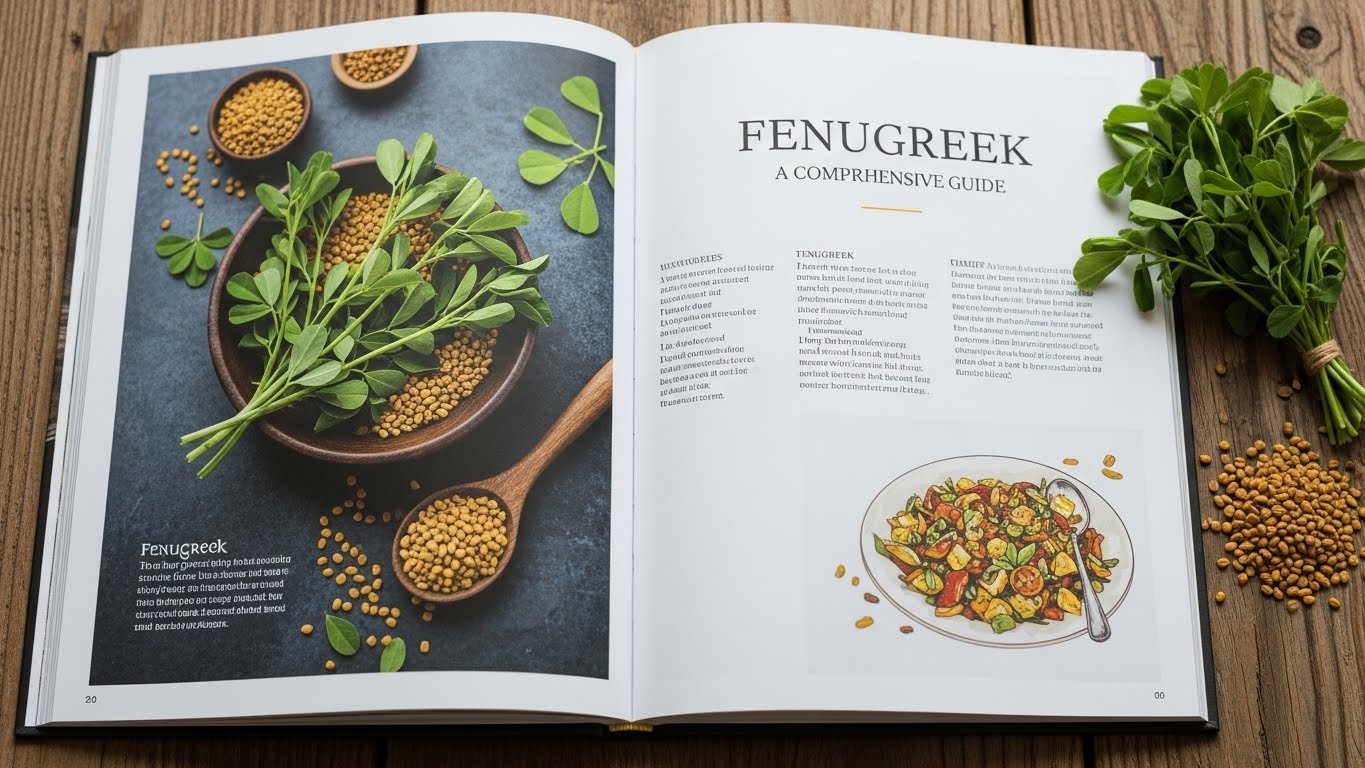
Foenegriek, more widely known in English as fenugreek (Trigonella foenum-graecum), is a remarkable herb that has been cultivated and valued for thousands of years. Used as a spice, medicinal plant, and nutritional supplement, fenugreek holds a special place in traditional systems of medicine such as Ayurveda, Unani, and Traditional Chinese Medicine. Today, it is also gaining popularity in modern wellness, sports nutrition, and culinary innovation.
This in-depth article explores the origins, nutritional profile, health benefits, traditional uses, culinary applications, and modern research surrounding foenegriek, offering a complete understanding of why this humble seed remains so powerful.
Origins and Historical Background
Fenugreek is believed to have originated in the Mediterranean region, Western Asia, and parts of Southern Europe. Archaeological evidence suggests that fenugreek seeds were found in ancient Egyptian tombs, where they were used in embalming rituals and as a medicinal herb. The ancient Greeks and Romans also valued fenugreek, primarily as animal fodder and for its therapeutic properties.
The Latin name foenum-graecum translates to “Greek hay,” reflecting its historical use as livestock feed. Over time, fenugreek spread to India, North Africa, and the Middle East, where it became deeply integrated into local cuisines and medical practices.
In South Asia, particularly India and Pakistan, foenegriek (locally known as methi) has long been a household staple, used both as a spice and a leafy vegetable.
Botanical Description
Fenugreek is an annual plant belonging to the Fabaceae (legume) family. It grows to a height of about 30–60 centimeters and has small white or yellow flowers. The seeds are small, hard, angular, and golden-brown in color, with a strong, slightly bitter aroma.
Both the seeds and the leaves are edible and beneficial:
- Seeds: Commonly dried and used as a spice or medicinal ingredient
- Leaves: Used fresh or dried in cooking, especially in Indian dishes
Nutritional Profile of Foenegriek
Fenugreek seeds are nutritionally dense and contain a wide range of beneficial compounds:
Key Nutrients
- Dietary fiber: Supports digestion and blood sugar control
- Protein: Rich in amino acids, especially lysine and tryptophan
- Iron: Important for red blood cell production
- Magnesium & potassium: Support heart and muscle function
- Vitamin B6: Aids metabolism and brain health
Bioactive Compounds
- Saponins: May help reduce cholesterol
- Diosgenin: A plant steroid linked to hormonal balance
- Galactomannan: A soluble fiber known for blood sugar regulation
- Alkaloids (trigonelline): Associated with glucose metabolism
This unique combination makes foenegriek both a nutritional food and a therapeutic herb.
Health Benefits of Fenugreek
1. Blood Sugar Regulation
One of the most researched benefits of foenegriek is its ability to help regulate blood glucose levels. The soluble fiber galactomannan slows carbohydrate absorption, leading to improved glycemic control. Several studies suggest that fenugreek seeds may benefit people with type 2 diabetes when consumed regularly in controlled amounts.
2. Digestive Health
Fenugreek has traditionally been used to soothe digestive discomfort. Its fiber content promotes healthy bowel movements, while its mucilage helps protect the stomach lining. It may be helpful for:
- Constipation
- Acid reflux
- Indigestion
3. Cholesterol and Heart Health
The saponins and fiber in fenugreek may help reduce LDL (bad) cholesterol levels. By supporting lipid metabolism and improving blood vessel function, foenegriek contributes to overall cardiovascular health.
4. Hormonal Balance and Women’s Health
Fenugreek has been used to support women’s health for centuries. Diosgenin, a natural phytoestrogen, is believed to help with:
- Menstrual discomfort
- Menopausal symptoms
- Hormonal balance
It has also been traditionally used to support breast milk production in nursing mothers, though medical guidance is recommended.
5. Testosterone and Men’s Health
Modern supplements often include fenugreek extract for its potential role in supporting healthy testosterone levels. Some studies suggest it may help improve:
- Muscle strength
- Energy levels
- Libido
6. Anti-Inflammatory and Antioxidant Properties
Fenugreek contains compounds that help neutralize free radicals and reduce inflammation. This makes it useful in supporting joint health, skin conditions, and general immune function.
Traditional Medicine Uses
Ayurveda
In Ayurvedic medicine, foenegriek is considered warming and balancing for Vata and Kapha doshas. It is commonly used for:
- Digestive disorders
- Joint pain
- Weak metabolism
Unani Medicine
Unani practitioners value fenugreek for its ability to soften inflammation and support respiratory and digestive health.
Traditional Chinese Medicine
In TCM, fenugreek seeds are believed to strengthen kidney energy and support reproductive health.
Culinary Uses of Foenegriek
Fenugreek has a distinctive flavor—slightly bitter, nutty, and sweet when cooked properly.
Common Culinary Applications
- Whole seeds: Used in spice blends, pickles, and curries
- Ground powder: Added to sauces and bread
- Fresh leaves: Used in vegetable dishes and flatbreads
- Dried leaves (kasuri methi): Sprinkled over dishes for aroma
Fenugreek is a key ingredient in spice mixes such as curry powder and panch phoron.
Tips for Cooking
- Light roasting reduces bitterness
- Soaking seeds softens texture and improves digestibility
- Small quantities deliver strong flavor
Modern Uses and Supplements
Today, foenegriek is widely available in various forms:
- Capsules and tablets
- Powdered supplements
- Herbal teas
- Protein and sports nutrition products
Athletes and fitness enthusiasts often use fenugreek extracts to support strength and recovery, while wellness users value it for metabolic health
Safety, Dosage, and Precautions
Fenugreek is generally safe when consumed as a food or supplement in moderate amounts. However, some precautions include:
- Possible digestive upset at high doses
- May interact with blood sugar or blood-thinning medications
- Not recommended in excessive amounts during pregnancy
Always consult a healthcare professional before using foenegriek as a medicinal supplement.
Environmental and Agricultural Importance
Fenugreek is a nitrogen-fixing plant, which improves soil fertility. It is often used in crop rotation and sustainable farming practices, making it valuable beyond nutrition and medicine.
Conclusion
Foenegriek (fenugreek) is far more than a simple kitchen spice. With a rich history, impressive nutritional profile, and a wide range of scientifically supported health benefits, it stands as one of nature’s most versatile plants. From ancient healing traditions to modern wellness trends, fenugreek continues to prove its relevance in supporting digestion, metabolism, hormonal balance, and overall health.
Whether used in cooking, traditional remedies, or modern supplements, foenegriek remains a powerful example of how natural foods can play a vital role in holistic well-being.