
 By Lawrence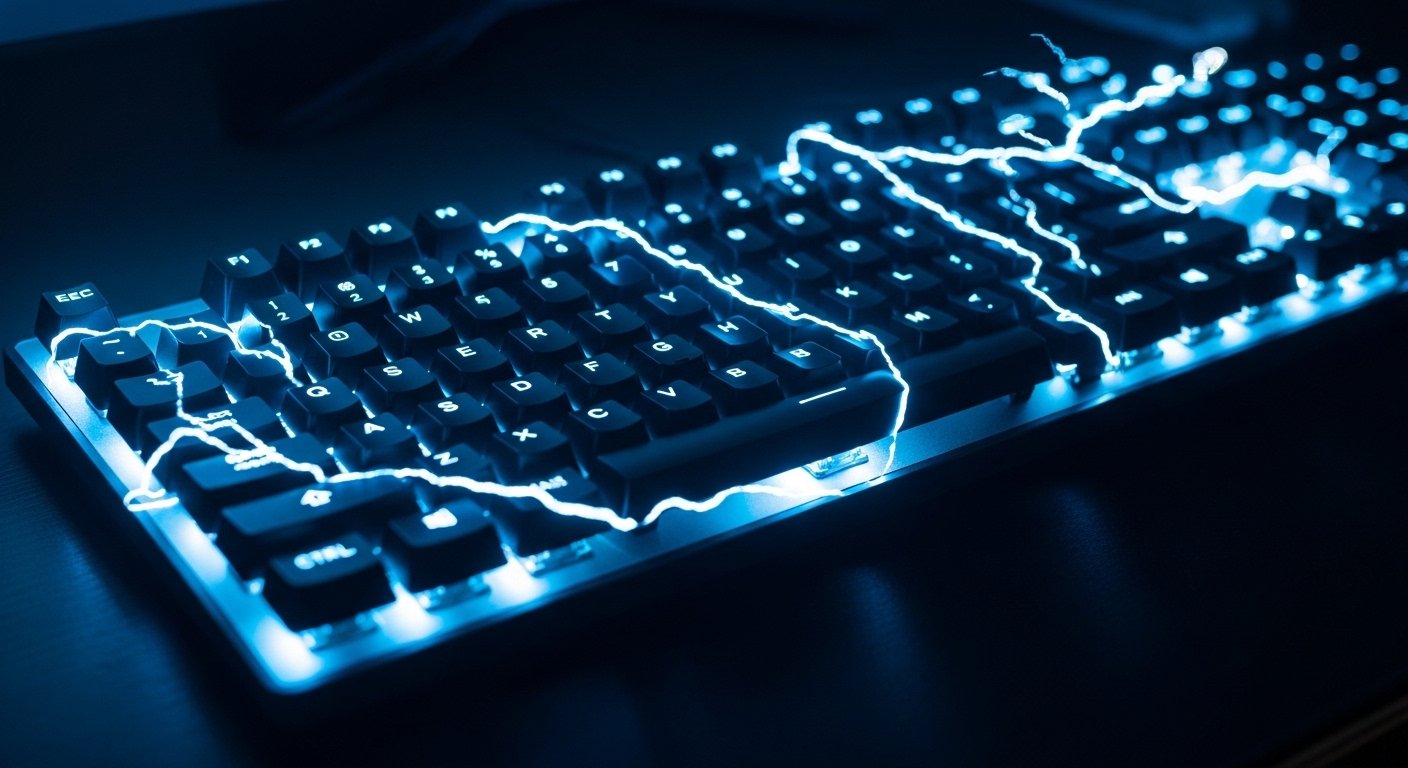
Technology has transformed the way humans communicate, work, and create. Among the most essential tools enabling digital interaction is the keyboard — a device that allows users to input text, commands, and data into computers and electronic systems. The term “kibard,” often used as an alternative spelling or phonetic variation of “keyboard,” may arise from informal usage, typing variations, or regional pronunciation differences.
Understanding kibard in the context of keyboards opens the door to exploring one of the most influential inventions in modern computing. From early mechanical typewriters to advanced ergonomic and gaming keyboards, the evolution of the keyboard has shaped how we interact with technology.
This comprehensive guide explains the meaning of kibard, its origins, types, uses, technological development, and its importance in modern digital life.
What Does Kibard Mean?
Kibard refers to the word “keyboard,” typically used as an informal or alternative spelling. A keyboard is an input device containing keys that allow users to type letters, numbers, symbols, and commands into electronic devices such as computers, laptops, tablets, and smartphones.
Keyboards serve as one of the primary tools for:
-
Writing and communication
-
Programming and technical work
-
Gaming and entertainment
-
Data entry and office tasks
Even in an age of touchscreens and voice recognition, keyboards remain essential due to their efficiency and precision.
The Origins of the Keyboard
To understand kibard fully, we must explore the historical development of keyboards.
Typewriter Era
The modern keyboard traces its roots back to mechanical typewriters developed in the 19th century. Early typewriters introduced the QWERTY layout, which remains the most widely used keyboard arrangement today.
The QWERTY layout was designed to reduce mechanical jams by spacing commonly used letter combinations apart. Despite technological advancements, this layout has persisted due to familiarity and widespread adoption.
Transition to Computers
As computers emerged in the mid-20th century, keyboards became essential input devices. Early computer keyboards resembled typewriter designs but added function keys and command features.
The evolution continued with:
-
Electronic keyboards replacing mechanical typewriters
-
Integration with personal computers in the 1970s and 1980s
-
Development of specialized keys for software commands
Anatomy of a Keyboard
Understanding the structure of a keyboard helps explain its functionality.
Alphanumeric Keys
These include letters, numbers, and punctuation marks used for typing text.
Function Keys
Located at the top (F1–F12), function keys perform shortcuts and specialized commands depending on the software.
Navigation Keys
Arrow keys, Home, End, Page Up, and Page Down help users move through documents efficiently.
Numeric Keypad
Many keyboards include a separate numeric section for fast data entry.
Modifier Keys
Keys such as Shift, Ctrl, Alt, and Command allow combinations that trigger specific actions.
Types of Keyboards
Modern keyboards come in various styles designed for different purposes.
Mechanical Keyboards
Mechanical keyboards use individual switches beneath each key. They are known for durability, tactile feedback, and popularity among gamers and typists.
Advantages include:
-
Better typing feel
-
Long lifespan
-
Customization options
Membrane Keyboards
Membrane keyboards use pressure pads instead of mechanical switches. They are generally quieter and more affordable but may lack tactile feedback.
Wireless Keyboards
Wireless keyboards connect through Bluetooth or USB receivers, offering flexibility and reduced cable clutter.
Ergonomic Keyboards
Designed to reduce strain on wrists and hands, ergonomic keyboards feature curved layouts or split designs.
Gaming Keyboards
Gaming keyboards include features such as:
-
RGB lighting
-
Programmable keys
-
Faster response times
Why Keyboards Remain Essential Today
Despite technological innovations like touchscreens and voice input, keyboards remain a central tool for productivity.
Speed and Accuracy
Typing on a physical keyboard allows faster and more precise input compared to touchscreens.
Professional Work
Writers, programmers, designers, and office workers rely heavily on keyboards for daily tasks.
Creative Applications
Musicians, gamers, and digital artists use keyboards to control software and create content.
Evolution of Keyboard Technology
Keyboard technology has evolved significantly over time.
Early Mechanical Designs
Initial keyboards used mechanical components similar to typewriters.
Electronic Integration
Advancements introduced electronic signals, improving reliability and responsiveness.
Backlit and Smart Features
Modern keyboards may include:
-
LED backlighting
-
Customizable macros
-
Touch-sensitive controls
Compact and Portable Designs
Slim and foldable keyboards cater to mobile users who need portability.
Keyboard Layouts Around the World
While QWERTY is the most common layout, other variations exist.
AZERTY
Used primarily in French-speaking regions.
QWERTZ
Common in German-speaking countries.
DVORAK
Designed for improved typing efficiency by optimizing finger movement.
These layouts demonstrate how keyboards adapt to different languages and user needs.
Tips for Choosing the Right Keyboard
Selecting the right kibard depends on your needs.
For Typing and Office Work
Look for:
-
Comfortable key spacing
-
Quiet operation
-
Ergonomic design
For Gaming
Consider:
-
Mechanical switches
-
Anti-ghosting features
-
Customizable lighting
For Travel
Compact wireless keyboards are ideal for portability.
Maintaining Your Keyboard
Proper maintenance ensures long-term performance.
-
Clean regularly to remove dust and debris.
-
Avoid eating or drinking over the keyboard.
-
Use compressed air to clean between keys.
-
Keep software drivers updated for advanced features.
Common Keyboard Shortcuts
Learning shortcuts improves productivity.
Examples include:
-
Ctrl + C (Copy)
-
Ctrl + V (Paste)
-
Ctrl + Z (Undo)
-
Alt + Tab (Switch between applications)
Mastering shortcuts reduces reliance on mouse navigation.
The Future of Keyboards
As technology advances, keyboards continue to evolve.
Virtual and Touch Keyboards
Touchscreen keyboards dominate mobile devices but may lack tactile feedback.
AI Integration
Artificial intelligence may enhance typing through predictive text and automation.
Flexible Designs
Future keyboards may feature foldable screens or customizable layouts.
Kibard in Modern Language
The use of alternative spellings like kibard reflects how language adapts to digital communication. Typographical variations often emerge due to:
-
Phonetic typing
-
Regional pronunciation
-
Informal online language
These variations highlight how technology influences both tools and vocabulary.
Conclusion
Kibard, referring to the keyboard, represents one of the most important tools in modern digital communication. From its origins in mechanical typewriters to advanced gaming and ergonomic designs, the keyboard has evolved alongside technology, shaping how people work, communicate, and create.
Understanding the structure, types, and future of keyboards helps users choose the right tools for their needs and maximize productivity. Even as new input methods emerge, the keyboard remains a cornerstone of digital interaction — proving that simple yet effective technology continues to play a vital role in our everyday lives.